


Heat Pump Prices Review: Pros, Cons and Free Estimates
Your total heat pump resource, including heat pump costs, advantages, disadvantages, and how to find an HVAC contractor.
Quality Services
Where do you need services?
Where do you need services?
Featured in

Navigation: An old favorite gains new life | Heat pump prices and heat pump estimates | Heat pump brands | Calculating heat pump costs | How a heat pump works | Heat pump advantages | Heat pump disadvantages | Heat pump efficiency | How to find an HVAC contractor for heat pump installation
An old favorite gains new life
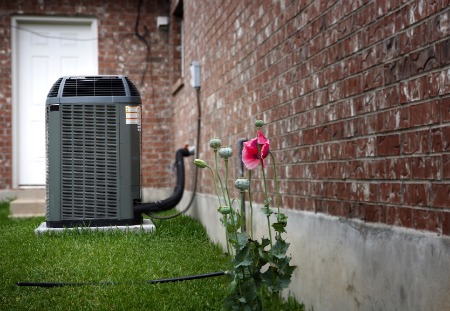 What has typically been considered the ugly stepchild of the heating family, heat pumps have experienced a recent surge in popularity thanks to many technical advancements and plummeting prices.
When introduced in the 1970s, heat pumps were noisy, unreliable machines that garnered little more than passing curiosity from homeowners.
Now, as heat pump estimates continue to drop, this alternative heating system is quiet, reliable, and usually less costly to heat a home than with other traditional options, such as gas, oil and electric furnaces.
If your heating bills just keep rising, it might be time to invest in a heat pump. Heat pump costs may appear high because of the expensive initial investment, but in the long-term heat pumps usually lead to savings courtesy of some of the best energy efficiency of all heating and cooling options. While you may think you're paying more for a heat pump, you will also likely recover your investment in energy savings far more quickly than with other heating methods.
Heat pump prices and heat pump estimates
When entering the market for a heat pump, know that there are two general types of heat pumps available for you: air source heat pumps and geothermal heat pumps.
Costs for an air source heat pump usually range from $1,500 to $7,500 for the purchase and installation. An air source heat pump pulls heat from the outside atmosphere and distribute it throughout the home.
Geothermal heat pumps, which pull heat from the ground making them more reliable and efficient, usually cost somewhere between $9,000 and $23,000, including installation.
The price for either style of heat pump is dependent on:
- The heat pump brand.
- Energy efficiency rating.
- The home's location, size and orientation.
- The size of the heat pump based off of the area being heated.
Have an older model? Receive free quotes on replacement heat pumps today. A new heat pump is 20% more efficient than what you have now.
Heat pump brands
 The most popular heat pump brands include Trane, Carrier, Bryant, Goodman, Amana and Rheem.
For specific pricing to the complete heat pump lines offered by these brands, see our dedicated guides to:
You can also get an expert analysis of the best brand for you and your bank account, as well as the correct system size based on air volume with a local, HVAC professional. They will be able to help you determine which size heat pump you need and help you find one with a good Seasonal Energy Efficiency Ratio (SEER).
SEER is a ratio rating set and monitored by the Air Conditioning, Heating & Refrigeration Institute (AHRI). It measures the amount of heating or cooling put out by a heat pump or air conditioning system or even a refrigerator, divided by the energy used. The higher your SEER rating, the more efficient your appliance or heat pump. A heat pump with a high SEER rating will run more efficiently and ensure maximum unit life.
Heat pump cost quotes are written estimates with everything clearly spelled out for easy comparison. Your professional can also help you understand what weatherization and energy efficiency stimulus programs you qualify for. Click here for four free estimates in 20 seconds.
Calculating heat pump costs
The cost to operate a heat pump is difficult to calculate because it fluctuates as outside temperatures change and can be affected by many other small but compounding factors.
If you live in a warm climate, it’s a near certainty your energy costs to heat your home will be well below heating systems that rely on fuel combustion since the energy needed to create heat is low in higher temperatures.
The amount of energy it takes to create heat rises as the outside temperature falls. This can make heat pumps more expensive heating options than traditional systems in climates where the temperature frequently drops below 40 degrees.
Be sure to consider operation costs when seeking heat pump estimates.
The U.S. Energy Information Administration offers a calculator, in Excel format, that can help you determine what kind of savings you’ll get from a heat pump versus other heating options.
How a heat pump works
Heat pumps are unique units, acting potentially as both heater and air conditioner. Heat pumps are designed to move heat from one room to another, which also includes moving heat out of a room as well as into one.
Optimized for moderate climates, heat pumps can save on heating and cooling bills from month to month if used properly. Choosing the right system for your home is key in finding low heat pump prices.
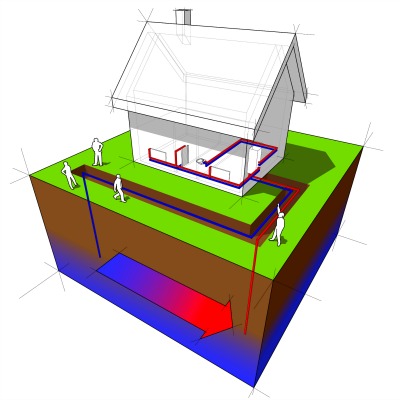 A heat pump is a 2-in-1-furnace and air conditioner, and therefore is as an excellent choice when taking into account furnace efficiency. A heat pump will operate as a furnace when it is cold, and an air conditioner in the summer when it is warm. This is made possible by a valve that can be switched to the proper mode depending on the temperature outside.
In the summer, the heat pump will remove excess heat from within the house. This process is simply reversed during the winter. Heat is taken from the outside air (or ground in the case of a geothermal unit) and transferred into the house — creating a consistent and comfortable temperature.
Because of the manner in which heat pumps work, they are generally recommended for temperate climates that rarely drop below freezing.
Absorption heat pumps may be powered by gas, geothermal heating or solar resources. Where air conditioners compress refrigerant, absorption pumps add ammonia into water, which is then pressurized and boiled.
Ground-source (geothermal) heat pumps draw heat from the ground or from water beneath the ground and transfer it indoors, most commonly via buried pipes. Water or refrigerant is run through these pipes in either closed or open-loop systems; open-loop systems pump water out of a source (like a well or reservoir), while closed-loop systems reuse the same water continually.
Split heat pumps connect an outdoor source to an indoor source with the capability of controlling each room’s temperature separately. These systems do not need complicated ductwork, if any at all, and that makes them a prime choice for older or historical homes that would have otherwise needed to be retrofitted for a ducted system, like central air.
Heat pump advantages
Heat pumps are one of the most efficient systems you can buy to heat your home. This means saving energy and paying lower bills compared to other heating options.
Electric heat pumps also eliminate the need for a humidifier to fight the "dry air feel" produced by most furnaces.
Most heat pumps are quieter than other heating systems because a heat pump's air compressor is located outside your home.
Other heat pump pros:
- Because a heat pump creates heat by pulling warmth from the outside air or ground rather than burning fuel to generate heat, it usually costs less to operate than gas, oil or electric furnaces.
- Air source heat pump prices are relatively low, ranging between about $1,500 and $7,500 to buy and install a unit for the average home.
- The amount of energy needed to create heat drops as the outside temperature rises.
- Heat pumps double as cooling systems.
Heat pump disadvantages
 One disadvantage to purchasing a heat pump is the possible need for a backup system. If you live in an area that is frequently below freezing in winter, a back up system may be required to provide enough heat for the entire home.
Also, the initial price of a heat pump can be a deterrent when purchasing a heating unit, but the long and even short-term savings on energy bills usually offsets this.
Other heat pump cons:
- Air source heat pumps can become unworkable when temperatures plummet to freezing, necessitating a back-up heating option such as an electric furnace.
- Geothermal heat pump prices are relatively high, costing from about $11,000 to $26,000 for an average home, including installation.
- Heating energy costs increase as the outside temperature falls.
- Heat pumps are not efficient as cooling systems and generally cost more to operate than central air conditioning units.
Heat pump efficiency
Heat pumps are more efficient than other heating systems because instead of converting electricity or fuel into heat, heat pumps transfer the warmth stored in the air or ground to the home. However, as mentioned earlier, this efficiency is lost in colder climates when the temperature goes below freezing.
One of the most valuable aspects of including a heat pump in your heating system estimate is the potential for federal tax credits. When you’re looking for low heat pump prices, consider the fact that the more efficient a heat pump is, the lower your prices will be from month-to-month.
If you use your heating or cooling system every day, it would be a very good idea to invest in a pump with a high a high SEER. Also consider the Heating Seasonal Performance Factor (HSPF) of any heat pump.
HSPF is another performance indicator developed and managed by the AHRI. As with SEER, you want to look for heat pumps with higher HSPF ratings.
Energy Star certified heat pumps might qualify you for a 10-30 percent federal tax credit.
How to find an HVAC contractor for heat pump installation
Finding a quality contractor to install a heat pump is crucial. If too large a system is installed, the heat pump will cycle on and off too often decreasing efficiency and will put years of wear and tear on a very expensive appliance. Too small a system, and the heat pump will not be capable of keeping your home at a comfortable temperature.
The Better Business Bureau (BBB) recommends meeting with at least three different contractors before making a decision on hiring a contractor for your projects, which you can do in minutes.
After you fill out one of our forms, you'll receive four estimates from the four top-rated heat pump contractors in your area. Our network of HVAC contractors is highly selective, and we verify required licensing and insurance information.
Besides finding out the correctly sized heat pump for your home, also ask the contractor about heat pump prices for specific brands. Costs do vary by location.
Photo credit: 1. galinast; 2. Dr. RawheaD; 3. valigursky; 4. Denis Collette...!!!. Flickr images via Compfight CC.


About the Author Rachel Wright
Rachel Wright is an SEO content editor at Reply! with more than 10 years of editing experience. She enjoys interior design and gardening. To share home improvement ideas, find her on Google+.
 © QualitySmith.com. A